3D Visualization · · 5 min read
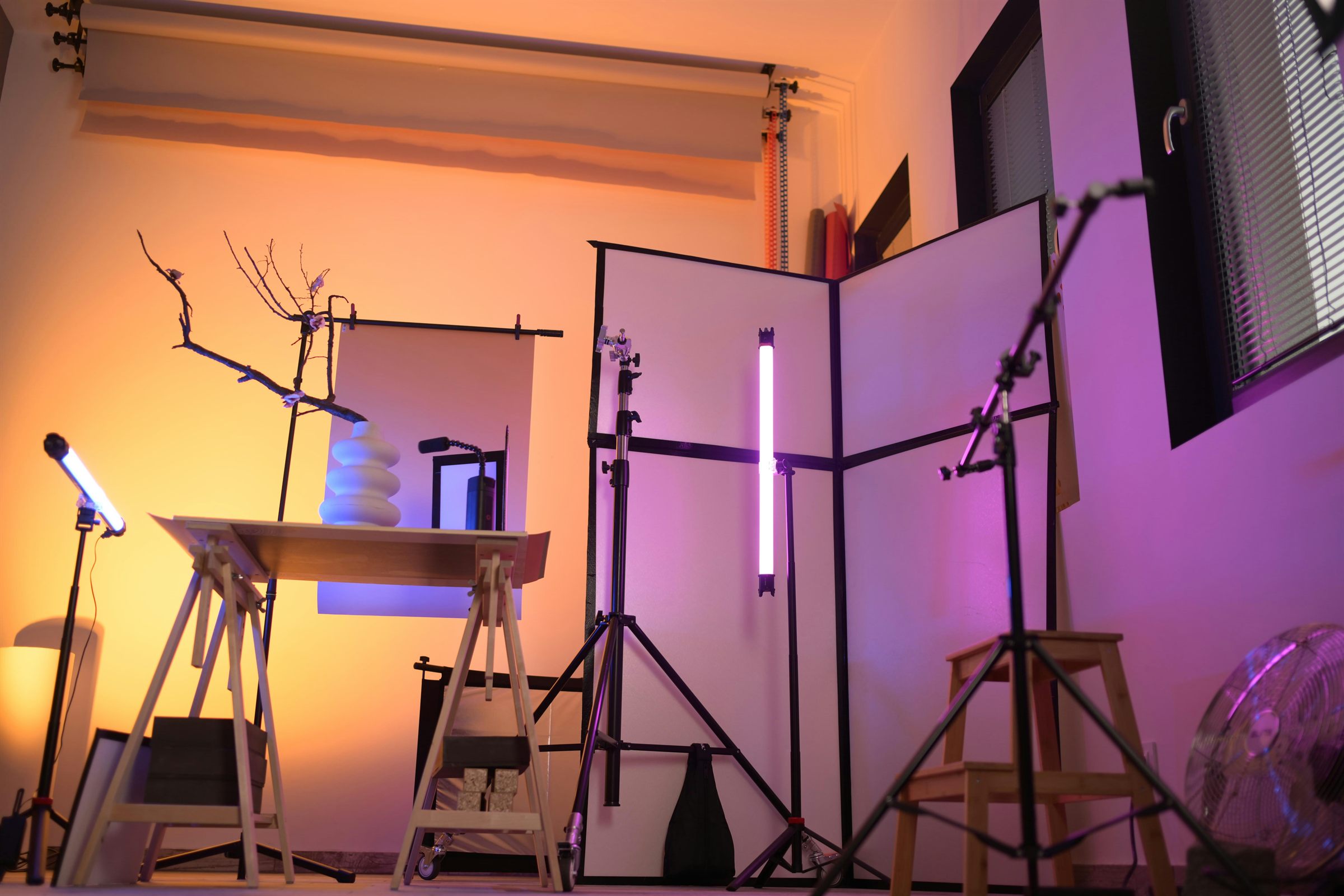
A photographic shoot is a fixed cost with a fixed calendar. Book the studio, ship the pieces, wait for retouching, and accept that a late addition to the collection misses the launch. For a house releasing twice a year, that cadence is survivable. For one releasing monthly, it quietly caps how fast the catalogue can grow.
A rendering pipeline inverts the constraint. The expensive step is modelling the first piece in a family; the tenth variant is close to free. Once the material library exists, a new colourway is a parameter change rather than a production.
The trap is treating renders as a straight substitute for photography and judging them on whether anyone can tell. That is the wrong bar. The right one is whether the image answers the question the shopper is asking — scale on a hand, how a clasp closes, what the stone does under warm light.
In practice the two coexist. Campaign imagery stays photographic because it sells a mood. Catalogue imagery goes to the pipeline because it sells a specification, and specifications change more often than moods do.
More Reading
Website Solutions ·
Storefronts That Load
Retail Growth ·
The Catalogue Audit