Case Study 01 — 3D Visualization & Configurator
From Static Catalog to Live 3D Customization
45% increase
in online-to-store appointment bookings
15% reduction
in in-store exchange requests
Case Study 01 — 3D Visualization & Configurator
45% increase
in online-to-store appointment bookings
15% reduction
in in-store exchange requests
Case Study 02 — E-commerce & Digital Storefront
30%
of enquiries now originate outside the founder's personal network
4
new markets/cities reached in first [X] months
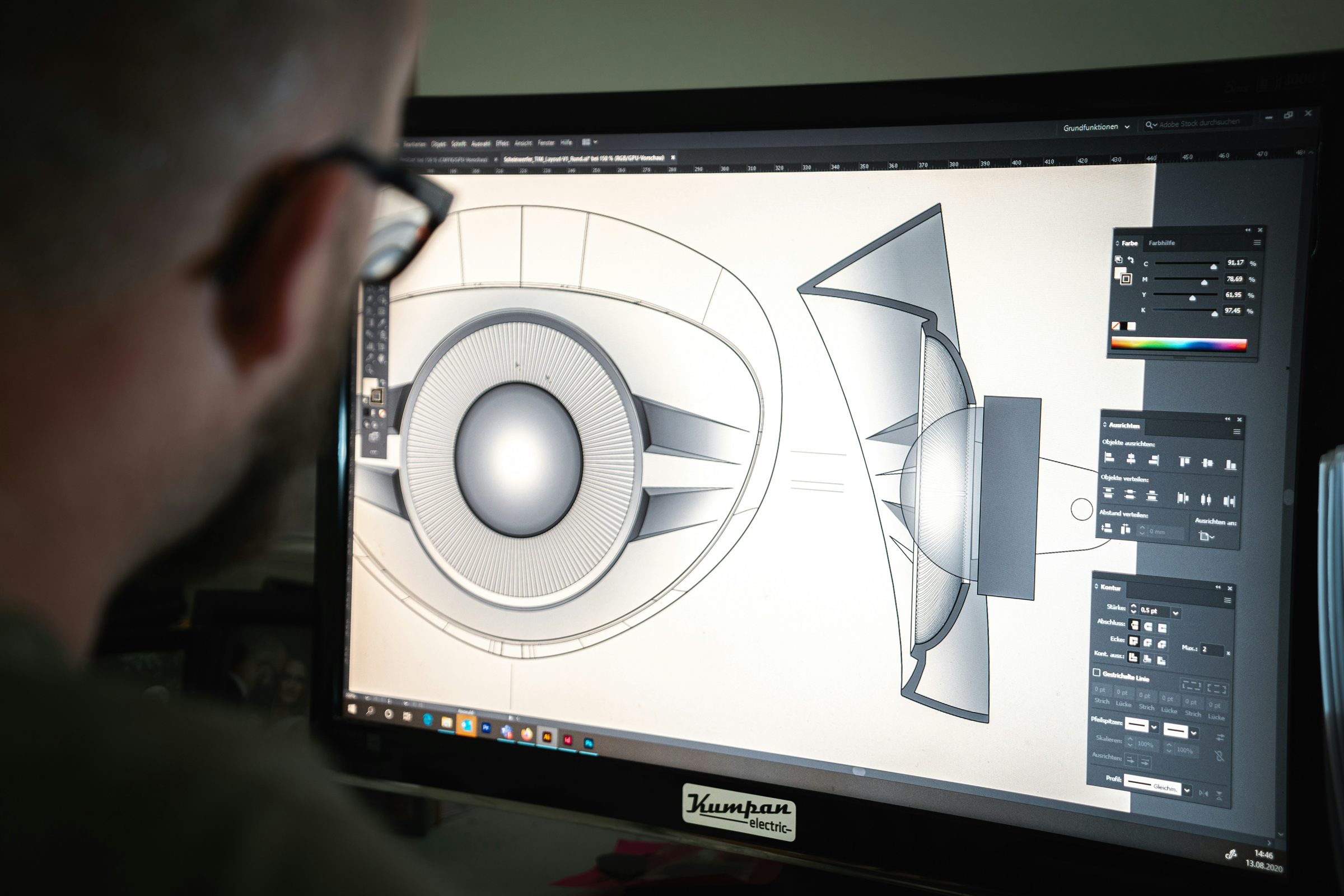
Jewellery buyers make high-value, highly personal decisions. Most e-commerce UX is built for low-friction impulse buying — the opposite of what a bridal or fine-jewellery purchase requires. Content should show how MFA's 3D configuration and visualization tools let a customer explore, customize, and build confidence before they ever speak to a salesperson, closing the gap between browsing and buying without rushing the decision.
A large share of the jewellery trade — especially family-run businesses — still runs on WhatsApp Business and personal relationships. This is a strength (trust, personal touch) and a ceiling (no scale, no data, no reach beyond the founder's network). Position MFA as the partner who digitizes without discarding what already works, rather than forcing a generic e-commerce template onto a relationship-driven business.
Unlike apparel or FMCG e-commerce, jewellery customers buy rarely but spend significantly, and trust signals matter more than speed. Content should highlight UX decisions specific to this: certification and hallmark display, appointment booking instead of aggressive checkout funnels, transparent pricing on customization, and photography/3D standards that convey craftsmanship rather than mass production.
Most software vendors exit after delivery. MFA's subscription/AMC model and recurring governance calls (weekly SPOC-level check-ins) are a genuine differentiator worth its own content — case studies, a dedicated page, or a short explainer on “what happens after launch” that most competitors can't credibly claim.
Founder-story content (Moiz Maldar and Hemangini Sharma) that explains why MFA exists — combining IT/software delivery discipline with an understanding of how the jewellery trade actually operates — builds credibility that a purely technical portfolio can't. Jewellery is a relationship-driven industry; buyers of MFA's services want to know who they're partnering with, not just what was built.
Many software vendors show a client static requirement documents for months before there's anything to look at. MFA's wireframe/Figma-first process means clients react to an actual visual experience early. This is a strong, differentiated theme for a jewellery audience in particular — a highly visual industry deserves a highly visual sales/engagement process, and this can be shown, not just claimed (e.g. a short before/after of a wireframe next to the shipped product).
Prefer to see it live first?
Book a Demo Instead